Africa’s largest electric mobility company Spiro Nigeria remains ever committed to expanding its motorcycle fleet, battery-swapping network, and local assembly operations in the country.
Aimed at cutting transport costs for commercial riders in Nigeria, Spiro’s plans also tie into Federal Government’s measures to ease cost of living.
The company’s new Country Head and Managing Director, Prasad Sane, outlined the expansion plans at their second Media Connect event in Lagos.
Mr Sane explained that its electric motorcycles cost way less to operate than conventional bikes, leading to a high level of acceptability.
“Because we talk about total cost of ownership, TCO. When you run it, it’s total bike acquisition cost, maintenance cost and fuel cost. When we put it together, it’s nearly 40 % cheaper than ICE bike. So in Nigeria, product is well accepted. People are happy about it because we also do regular feedbacks. Feedback is positive.”
Spiro which began operations in Nigeria in 2024, assembles its motorcycles at its Shagamu, Ogun State, facility.
The company currently operates in Lagos, Ogun, Oyo, and Benue states with more than 10,000 electric motorcycles on Nigerian roads and over 100 battery-swapping stations.
There are plans to add 30 mega stations over the next two years as it deepens penetration into other states.
Speaking on the expansion, Spiro’s Head Of Operations Edward Amanambu explained strategic plans for the new markets in Nigeria.
“Our plan for 2027 is going into these three key states, Kano, Kaduna and Abuja. Our target is to get up to 18,600 bikes converted to EV or sold to convert to EV.”
Job creation in Nigeria remains central in Spiro’s operations with women making 40 percent of it’s workforce.
While explaining Spiro’s employment numbers, Mr Sane predicted bigger figures by the time they roll out other versions of their Electric Vehicles, EV, aside bikes.
“As a company we’ve already created about 455 people(jobs) as of today. Plus there are others who are my suppliers, vendors who have created. So as a complete ecosystem, Spiro, Nigeria must have created more than 1500 to 2000 jobs. We are bringing heavy commercial trucks as well as buses. It needs very big stations which will be establishing there, which will create a lot of opportunity.”
Aside job numbers, Spiro’s positive national impact extends to environment.
The company estimates that its operations have saved 220,000 tonnes of carbon dioxide emissions..
This highlights potential environmental benefits of replacing petrol-powered motorcycles with electric alternatives.
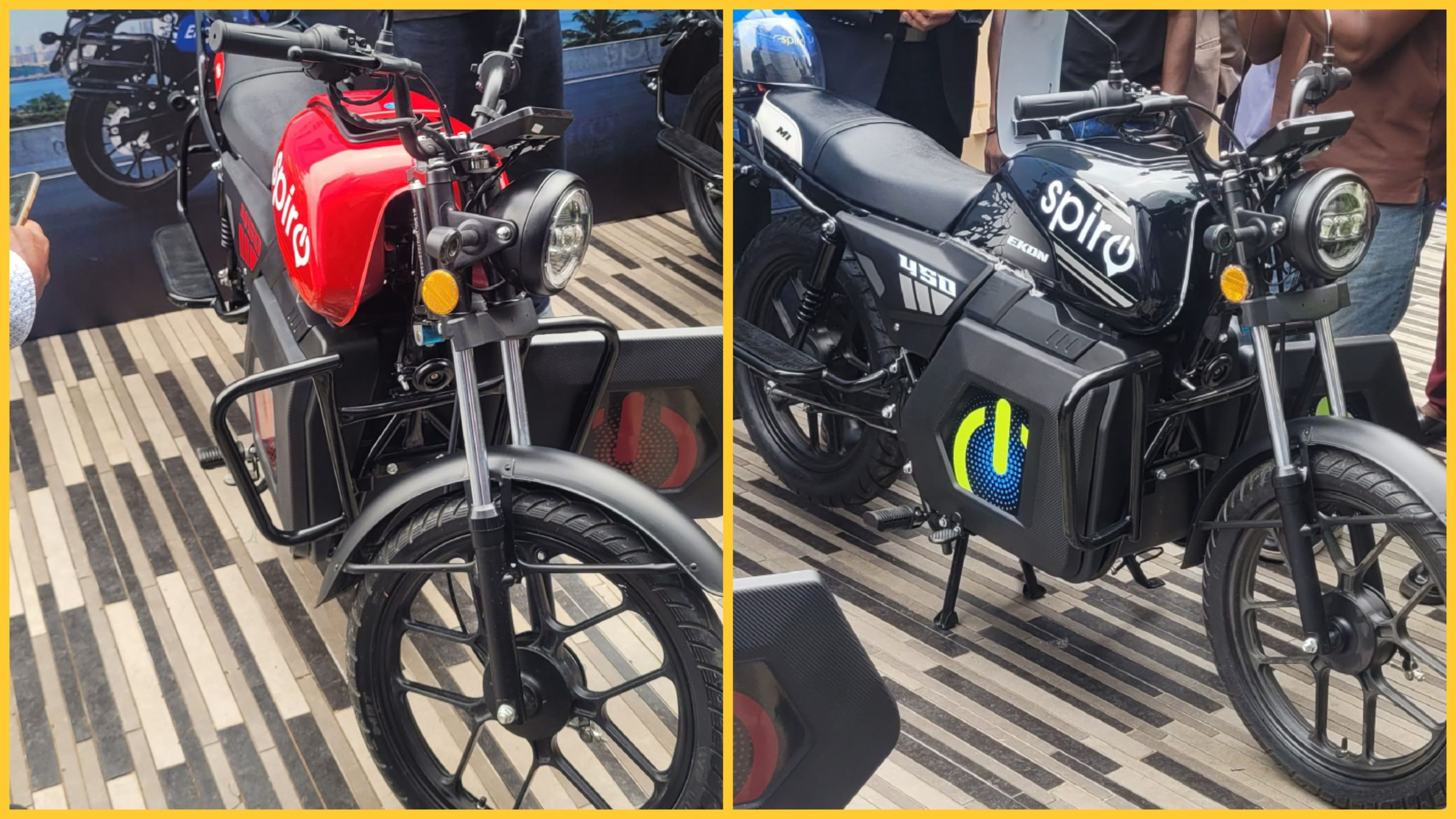
Expanding its collection of electric substitutes, Spiro used the occasion of the media connect to unveil its Ekon M1 Version 3 motorcycle, with a driving range of between 80 and 100km per battery charge.
About the Author